Carnival

One of the most popular celebrations of Venezuela and the world’s most remote

There is no doubt that Carnival is one of the most multicultural festivals, because of its origins and varieties within Western culture. The word comes from the Italian carnevale; composed of the Latin words caro-carni, meaning ashes and meat, and the verb vale, that means relief, shake off. This defines what we call the three days before Lent that leads to Easter.
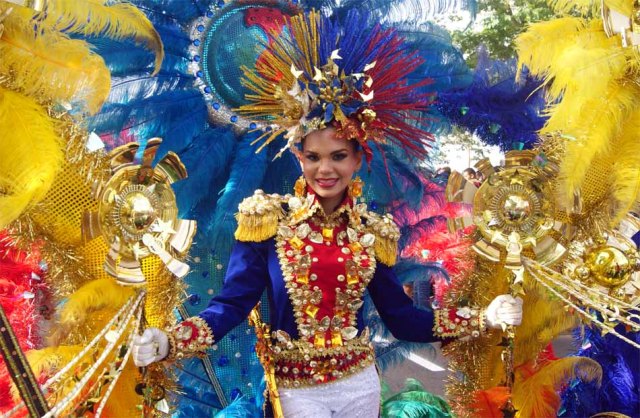
BOLIVAR-carnavalCarnival integrated customs, traditions and ritual acts of diverse cultures and different eras. It goes back to ancient Egypt. In addition, in ancient Greece, recalling the essence of the carnival took place in playful and satirical celebrations. The Dionysian festivals (god of wine) gave way to its expression. However, the Catholic Church instituted Carnival as a Christian festival in the Roman period. The purpose was to let Christian societies have three days of celebrations, where they had the opportunity to have inhibitions with alcohol, sexual acts and represent opposite role plays to whom they were (the rich to poor, the male to female and the old to child). In this way they could be ready and prepared for the forty days of penance and abstinence, in honor of all those days that Jesus spent in the desert.

Many islands in the Caribbean, Latin-American countries, like Brazil and Europe, especially Italy, live it big. In Venezuela they celebrated Carnival since colonial times. In the 1700s, Caracas was famous for its crazy carnival celebrations, by excess of alcohol and lack of prohibitions. In the period of Guzman Blanco, in the late 1800s, this festival acquired another character. Musical groups, parades, a beauty pageant contest, drama, inversion role plays and children games. The tossing of water, flour and eggs, was popularized at that time and still remains a popular activity in all corners of the country.

Today, in specific areas of Venezuela, people continue organizing great festivals around Carnival, making them their own, because of the area and culture where they live.

Carnival of Callao
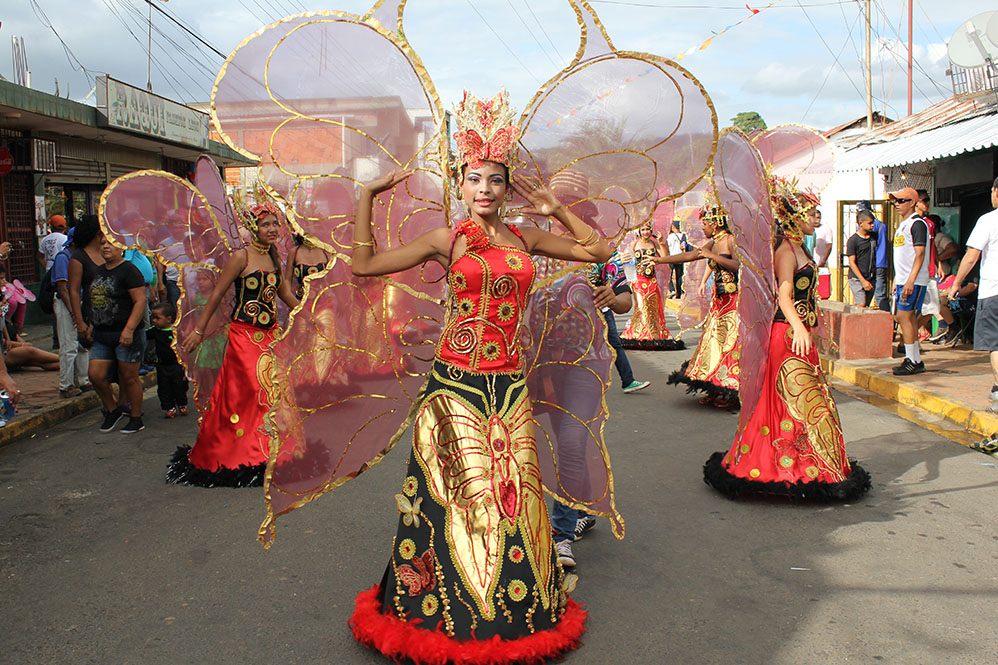
el.callao05One of the most famous carnivals in Venezuela is held in the southern mining town Callao. The array of costumes and its Calypso music make them unique in the country, due to the influence of British, Dutch and Caribbean cultures that coexisted there on the basis of the mining work.
The word Calypso comes from a nymph in Greek mythology, whose beauty and feminine attributes failed to convince Odysseus to leave his family and his roots. A parade of costumed dancers accompanies musicians. Among them, we find the famous ‘madam’ characters, who are inspired by the matrons of the carnivals of the islands of Guadeloupe and Martinique. We also find the characters of the devils, the daubs and the women in their colourful costumes dancing on the parade. The most famous character is the black lady Isidora, Queen of Calypso.

Local musicians play whistles, rattles, maracas and their special drum called Bumbac. Their lyrics are a fusion of Spanish language, dialect spoken in the islands and also words from Nigeria and Senegal, known as Kaico.

Hammock Carnival

This celebration takes place in Puerto Cabello, a town in the northeast coast. Its origin comes from the Netherlands and Curacao; so socio-economic exchanges were also given here. They perform during Processions dramas and battles using sticks. The festivity ends with a party to the beat of drums.

Carnival Monday starts at night, with the simulation of the wake, after a walk through the village with the hammock, which is placed in the corner of the Cross … around many lighted candles. In the place the community gathers; drums and horns are playing and the people toast … On Tuesday … The Hammock out at shoulder women (who are men disguised) … they play roles that express pain … pointers-male or female-repeated rhythmically: hence the dead, there goes Hammock … while the companion group dances to the music … .Then, men begin a mock battles ending with sticks … when women invited them to dance the Venezuelan Drum music.’

Daria Hernández, Cecilia Fuentes. Fiestas tradicionales de Venezuela. Fundación Bigott, pg. 181

Burial of the Sardine
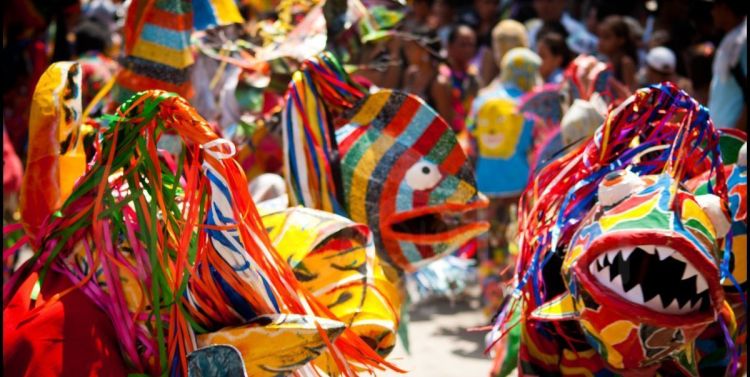
carnavalIn the central coast of Venezuela, the locals there celebrate what is known as the Burial of the Carnival, which is Ash Wednesday, especially in Naiguatá town.

‘It is one of the holiday traditions for greater participation in Naiguatá … Some prepare anxious the litter sardine in a wooden structure adorned with palm trees … in the centre there is the figure of the sardine made from cardboard … At 4pm locals will be ready to start the tour of the streets with de sardine … (the procession is led by the altar boy, the priest, the devil, the police, TV unit, widows and the queen are men disguised) … the celebration begins with the wake … when a sardine is placed in the ballot box … Musicians and people are added to the tragic procession to throw it into the water. Right now the battle begins and the game starts with water, in which the whole group is involved.’

Daria Hernández, Cecilia Fuentes. Fiestas tradicionales de Venezuela. Fundación Bigott, pg. 184 and 187

The famous Venezuelan musical band las Sardinas de Naiguatá (the Naiguatá Sardines) emerged from this festival and it is from where their artistic name derives. Their music has crossed the borders of this town and goes beyond this celebration. Venezuelan people from all over the country, listen to their music all year long.

Carnival is so important in Venezuela and other Latin American countries, because it marked an existential point of view, live and enjoy life. The Cuban singer Celia Cruz as expressed in her famous song:

Oh! We must not mourn, that life is a carnival and your pains go away by singing”

By Carla Soto

Images:

  • http://atodomomento.com/venezuela-solicitara-declarar-carnavales-de-el-callao-como-patrimonio-de-la-humanidad/
  • http://www.noticias24.com/fotos/noticia/5862/las-espectaculares-imagenes-de-los-carnavales-de-el-callao/
  • http://ve.emedemujer.com/hogar/ser-padres/en-la-calle-se-celebra-el-carnaval/
Devil Dancers of Yare project

evildancers-a1

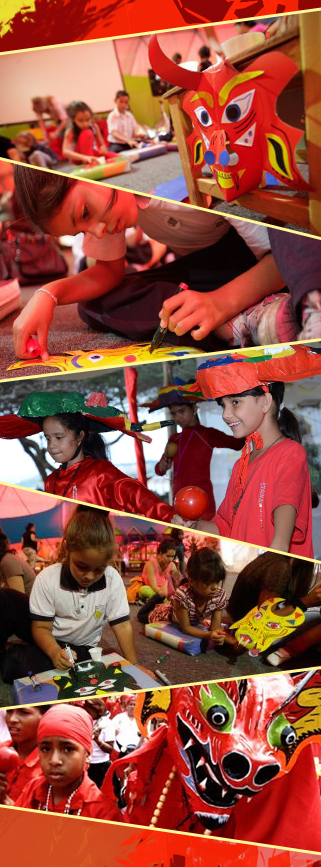
evildancers-a2Carla Soto and Sentir Venezuela are thrilled to announce that their project about the ‘Evil Dancers of Yare’ has been selected as one of the ‘Platform A’ artistic initiatives for 2016. Their thanks go out to the Toronto Arts Council and Arts Starts for their support. They will be facilitating multidisciplinary workshops for children to design costumes, learn story- telling, drama, dance, music and handcrafts related to this Venezuelan festivity.

Platform A is a collaboration between four of Toronto’s leading organizations in community-engaged arts: Arts for Children and Youth, Art Starts, Jumblies Theatre and SKETCH/CUE. These organizations have all emerged from grassroots initiatives to become key community builders in Toronto’s arts sector, engaging thousands of children, young people and adults annually through their diverse, innovative and accessible programming.

Art Starts is an award-winning charitable, not-for-profit organization that uses the arts as a vehicle to encourage social change in Toronto’s underserved neighborhoods. Bringing professional artists and communities together to work across all artistic disciplines. Art Starts combines the best practices of hands-on community consultation with a collaborative art-making approach and sound organizational and administrative support. www.artstarts.net

Keep tune for further information about these amazing workshops! Venezuela is here!

evildancers-a3

The Three Kings

postales-de-bajada-de-reyes

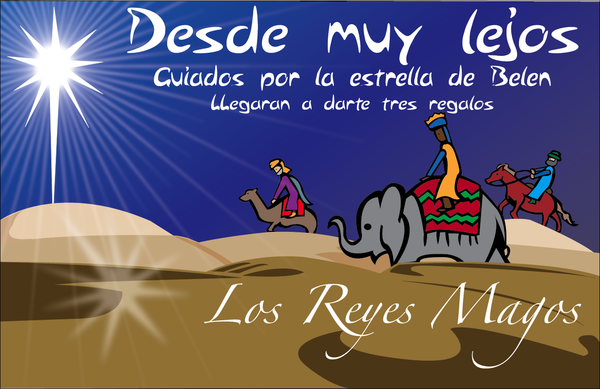
‘After Jesus was born in Bethlehem in Judea, during the time of King Herod, Magi from the east came to Jerusalem and asked, ‘Where is the one who has been born King of the Jews? We saw his star in the east and have come to worship him…When King Herod heard this he was disturbed…Then Herod called the Magi secretly and found out from them the exact time the star had appeared. He sent them to Bethlehem and said, Go and make a careful search for the child. As soon as you find him, report to me, so that I too may go and worship him… After they had heard the king, they went on their way. On coming to the house, they saw the child with his mother Mary, and they bowed down and worshiped him. Then they opened their treasures and presented him with gifts of gold and of incense and of myrrh. And having been warned in a dream not to go back to Herod, they returned to their country by another route’

Matthew 2:1-12

Today, on January 6, most Christian countries celebrate the Day of The Three Kings. It is probably the biggest day in Spain to celebrate the birth of Baby Jesus. Children get presents and their families gather to have special food and wine. This festivity is also celebrated in Mexico. People invite their close friends and eat la rosca (homemade sweet bread that has the shape of a big donut). Each guest gets a knife and cuts a portion of the bread. In one of its sides, there is a hidden small Baby Jesus doll. The person who finds it has to host a party on February 2nd to commemorate Candelaria Virgin.

Venezuelans don’t get left behind. In various states of the country, families also commemorate this day. On the night before Three Kings Day, children place their shoes by the door of their bedrooms in hope of waking to find presents and sweets inside them. If they don’t behave, they would get coal instead.

According to the Bible, the Wise Men (Melchior, Gaspar y Balthasar), following the star found Maria and Joseph on the day of the birth of Baby Jesus. They brought gifts to the baby, which symbolise wealth. That is why many people like celebrating them, so at the beginning of the year their homes shall be full of love and peace. They are also considered the guardians of children.

An interesting historical fact is that the celebration of the Day of the Wise Men is 2000 years old. In contrast with the story of Santa Claus, that has been known since the XIX century.

In Merida, Venezuela, the locals worship the Three Wise Men. In a little village called Mocao close to the important Andes town of Mucuchíes, people do a large parade, led by the Wise Men who come down from the Andes Mountains. It is a fusion of Christian and pagan celebration.

By Carla Soto

Image – source: http://topnavidad.com/1891/postales-de-bajada-de-reyes/

How Venezuelan people celebrate Christmas in the different regions

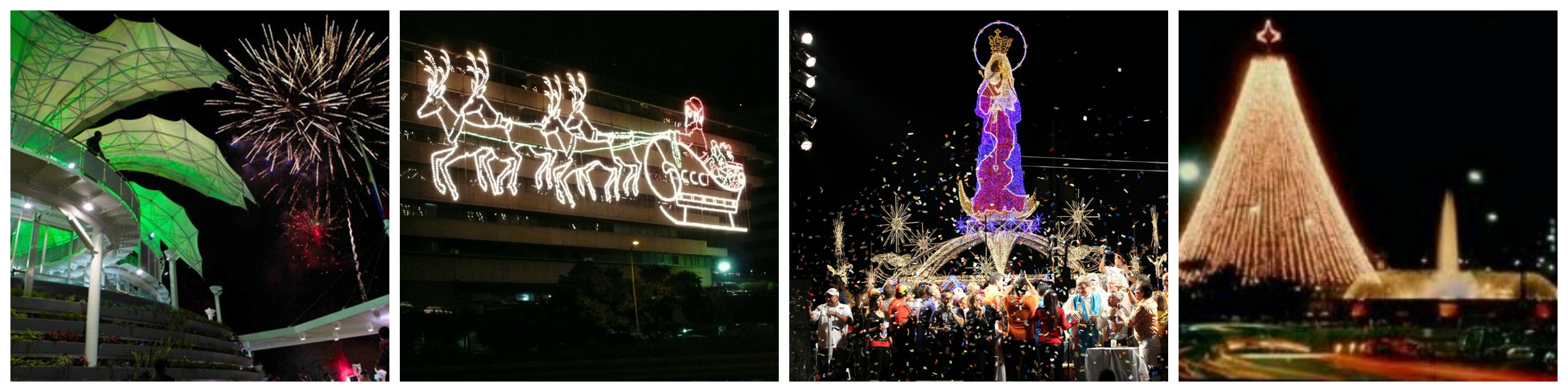
 navidad-Collage2Christmas is the most important celebration for Venezuelan people. It is the time to gather with friends and family to celebrate the birth of the baby Jesus. In every corner of the country, there are traditions that all Venezuelans have. On Christmas Eve, patinatas (street party where people eat and dance, while the kids ride their new bikes and skates), presents are exchanged, traditional Venezuelan Christmas foods like hallacas, ham bread and chicken salad are consumed.  The Christmas Tree and the Nativity Scene, Venezuelan Christmas Carols, Midnight Mass, fireworks and firecrackers on New Year’s Eve. Spanish, African and Indigenous cultures influence the way Christmas is celebrated in the various states of Venezuela, which goes from November to February.

In Zulia state, Christmas starts on Nov 18, with the celebration of their patron Saint Chinita. It is a festival that last for days and locals organise precessions and listen to their regional music called Gaitas Zulianas. They play musical instruments that Venezuelan people use during this time of the year, the maracas, the Cuatro (The Venezuelan guitar with 4 strings) and the Furruco (a drum originally from Andalusia that is used to play Villancicos, Spanish Carols)

In the Andes, at the beginning of January, people celebrate La Paradura del Niño, a religious festival for Jesus Baby. Locals create the largest and most artistic Nativity Scenes in the whole country. In a theatrical play, one person will steal the image of Baby Jesus and the other characters will have to find it.

Venezuela adopted, from its European heritage, the tradition of wearing costumes and masks, as well as doing interchanging characters roles of authority and gender. In many states and in different ways, On December 28, Venezuelan people celebrate Fools Day. One of them is Los Locos y Locaínas (The Mad People) that take place in Mérida, Trujillo y Portuguesa states. They organise a theatrical play where the characters that play the crazy people wear dirty cloths and masks. The women usually dress like men, the children like old people and vice versa. They recreate funny scenes accompanied by live music.

In Lara state, locals commemorate the same festival, but it is more religious. They organise processions, prayers and children’s performances while playing their own Merengues Larenses music.

On the same day, in Monagas state the locals have La Fiesta del Mono (The Monkey party), which originates from an indigenous ritual. The person that does the character of the monkey dances and plays around, making a conga line around the whole town.

Also on Vargas state, some of the towns celebrate el Gobierno de las Mujeres (The Women’s Government). Women will dress like men, representing the authorities on the streets, while the men will stay at home cleaning, cooking and looking after the children.

In Caracas, Christmas starts when a massive cross lights up on top of the Avila Mountain, from December 1st to January 6. It measures 37 metres in length and 18 metres in width. Both, the cross and the mountain are iconic symbols for the city. In Bolivar and Nueva Esparta states, the Christmas festivals are related to their daily life of hunting and fishing.

As people who celebrate Christmas, it does not matter where we are or where we come from. We should bring along our spirit everywhere we go. We should know that there is nothing like celebrating with family and friends, singing and dancing our music, eating our traditional dishes, making the traditions of other countries ours, like in Venezuela we buy natural pine trees imported all the way from Canada. We also have some beliefs that other cultures would think we are superstitious, eating 12 grapes and lentils, having money in the pockets, wear yellow clothing and crossing the road with a suitcase just after 12am on New Year’s, so we could have health, abundance, luck and vacation on the coming year.

Let’s celebrate life and bring it on every year!

Happy Holidays and Happy New Year to all of you from Sentir Venezuela-Dance Group!

By Carla Soto

 Photos source: google.com

Venezuelan Christmas Rhythms


navidad-collageAguinaldos, Gaitas and Parrandas 

If you would like to find a country in the world that has plenty of traditions at this time of the year, that place is Venezuela. It is not just because of its Christmas dishes, holiday’s decoration, gatherings and festivities. In Venezuela you can hear types of music just for this time of the year. They are played during mid-November to the beginning of January. Thanks to its strategic zone and the influence of different cultures and races, festivities that started in the time of the Spanish Colony, has developed and continued until now. You are just able to experience them, if you are in Venezuela or at a Venezuelan Christmas party. Do not miss it!

Aguinaldos.

They are a traditional type of music derived from the Spanish Villancicos (Christmas Carrols from Spain). People would walk along the streets and go from house to house serenating their neighbours. In exchange they will get homemade alcoholic drinks, similar to eggnog. There are different types of Aguinaldos, the religious that sing about the Catholic Church and baby Jesus; the festive ones and also the regional ones. The musical instruments used here are the Cuatro the Venezuelan guitar, maracas and drums. The most famous Aguinaldos are Niño  Lindo, Cantemos-cantemos, Fuego al cañón, Mi burrito Sabanero, entre otros.

TUN TUN lyric – http://www.venezuela.ch/cancionero/tuntun.html

Las Gaitas

Another popular type of music in Venezuela that announces the arrival of Christmas is the well-known Gaitas. From Zulia state, in the North-west of Venezuela, Gaitas started as folk music to celebrate Catholic Saint Days (from the beginning of November till the beginning of February).

There are different styles of Gaitas. The most popular is the called Gaita de la Tambora. It has crossed the state and has reached the whole country. Born in the seventies, it is considered the most current rhythm of this musical genre. The famous band Gran Coquivacoa took it to the next level. The musical instruments we can find here are used in Salsa, such as piano, trumpet, congas, bongos, etc., as well as the Venezuelan traditional drums, cuatro and maracas. From the eighties, La Gaita de la Tambora had Afro-Caribbean musical influence and great Gaitas’ performers showed this music evolution. Check the Venezuelan bands Guaco, Maracaibo 15 and Melody Gaita.  

La Parranda o el Parrandón.

It is a type of music derived from the Aguinaldos and the most quintessential festive rhythms of Christmas. It was born in the central states, Carabobo and Aragua, in June and July. Its lyrics are not just about Christmas, also they sing about daily life. Its musical instruments are cuatro, maracas and drums. Parrandas are presented the same way as the Aguinaldos; the Parranderos (the performers) will go and visit from house to house, playing their music.

The most well-known musical band is Un Solo Pueblo, from Aragua, a state in the Caribbean coast. They have interpreted the old Parranda lyrics, rescuing them and creating new repertoire. Their music can be listened in the whole country and internationally. Un Solo Pueblo has taken the Parrandas to an Afro-Caribbean style.

And you? What music do you play, listen and dance during these holidays?

by Carla Soto

Photo credit: Michael Zender

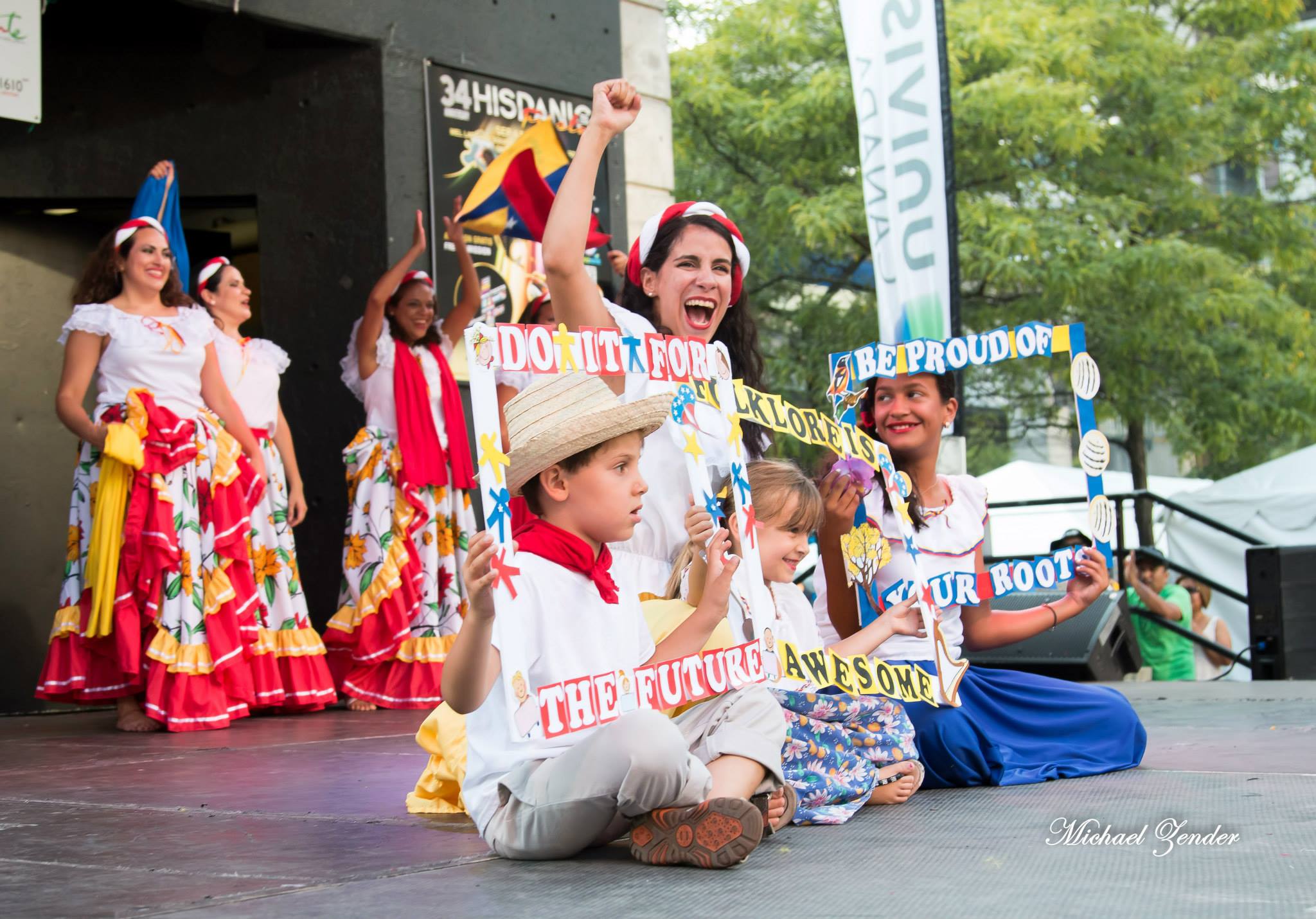
Our Children and our Roots

Photo Credit: Micheal Zender
Hispanic Fiesta 2015 / Photo Credit: Micheal Zender

There is a proverb that says we can’t have the fruits of the tree without its roots. When we eat an apple, we get in touch with the rain, the sun, the soil and its seeds. Something similar happens to us and our culture; but, what about our children? Do they identify and feel proud the same way as we do? With our traditions, costumes and where we come from?

When living abroad, we have to adapt to a new culture and sometimes change old habits. Our kids even more. What can we do to keep our identity? There is a saying, ‘We have to give roots and wings to our children, so they can fly’.

A beautiful lesson we can give as parents is to show our roots. Our children will have more tools in life and will feel proud of their identity. We will probably have to do things that we wouldn’t do if we were still living in our mother countries. On top of that, we will have to do double work, to keep what we already own and develop what is new. It will worth it!

Let’s not forget who we are and where we come from. Let’s proudly teach them with lots of enthusiasm, our language, food, music, traditions and games. We have the responsibility of passing from generation to generation our cultural heritage and what we are made of.

Strong roots in the present, fruitful actions in the future.

By Carla Soto

24 de Junio: Fiesta de San Juan Bautista

CELEBARACIÓN-SAN-JUAN-BAUTISTA-2011_GS“St John has it all, St John gives it all”

Today is a special day to stay in a little town in the north centre of the Venezuelan coast; specifically in Aragua, Carabobo, Miranda and Vargas states. Today, people from these towns celebrate, to the drum beat, San Juan Bautista’s day. It is a pagan festivity that shows the Venezuelan cultural fusion, influenced by Catholicism and the African rituals.

June 24th is the longest day and the shortest night of the year. It welcomes Summer time and announces the arrival of the raining season.   These villagers decorate San Juan’s altars, commemorate his wake and drink alcohol all they long. At each stop they do during the procession of the saint, they dance the Venezuelan rhythm of the drums. It never stops. It’s a fascinating, unforgettable and magic day, full of surprises. St John has it all, St John gives it all”.


By Carla Soto
Picture: http://tupaginalatina.com/la-fiesta-de-san-juan-en-venezuela/

Siente Venezuela en el 2015

Sentir-Venezuela-workshop-01-2014Y en el 2015 Sentir Venezuela sigue impartiendo sus hermosos talleres de danza venezolana.

Con una nueva coreografia y nuevos integrantes, este 2015 Sentir Venezuela traera muchas sorpresas mas.

Que esperas… Baila lo que no puedes decir con palabras… Siente Venezuela en Toronto. Siguenos en facebook y enterate de donde sera nuestro proximo taller.

Sentir Venezuela: primer grupo de danza folklórica venezolana en GTA

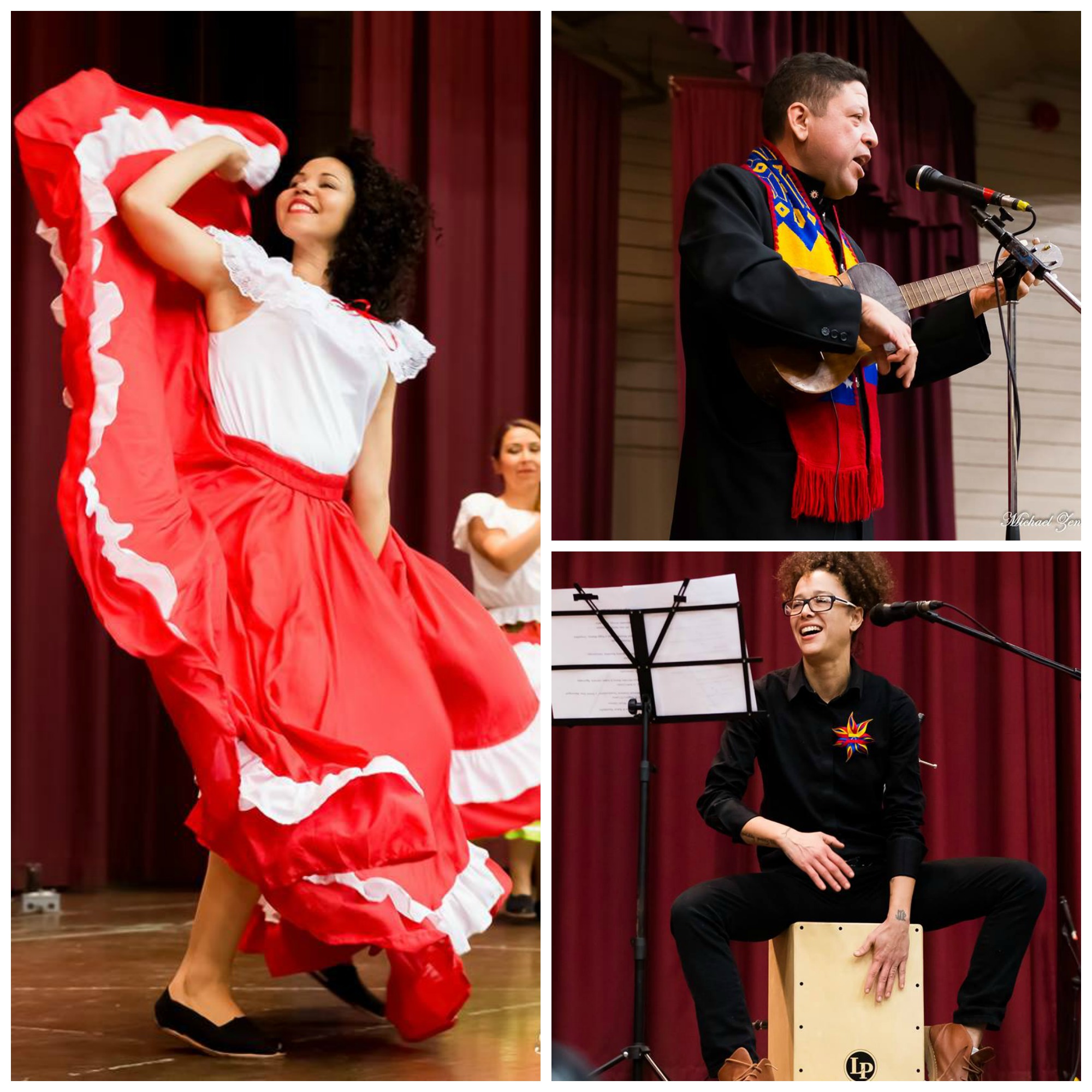
IMG_2341-2La agrupación Sentir Venezuela debuta como el primer grupo de danza folklórica venezolana en Toronto. Esta organización busca promover y transmitir el interés por las costumbres y tradiciones venezolanas en Canadá, a través del baile.

Así lo dio a conocer una de las fundadoras, Dayris Rodríguez, quien además señaló que el grupo busca transmitir los valores culturales del país suramericano como un legado artístico para las nuevas generaciones venezolano-canadienses.

Sentir Venezuela fue fundada en agosto de este año por Carla Soto, Dayris Rodríguez y Francis Gotopo. El grupo es multicultural, ya que además de las 8 integrantes venezolanas, lo conforman una bailarina de Nicaragua y otra de Eslovaquia. “Cualquier persona, de cualquier país que quiera bailar joropo es bienvenida”, expresó Rodríguez.

Igualmente, señaló que uno de los objetivos del grupo es “disfrutar de la hermosa danza folklórica y poder mostrarle a los canadienses y demás culturas que viven aquí, lo hermoso que es Venezuela”.

La primera presentación de Sentir Venezuela se realizó en la Parranda Navideña venezolana que se celebró en Mississauga. Toda la pasión, esfuerzo y colorido de la agrupación fueron bien recibidos por el público, que las ovacionó tras los bailes del Manduco, El Diablo Suelto y El Alma Llanera.

La agrupación de danza tiene planeado realizar diferentes Workshops en todo el GTA y comenzar con las prácticas para niños en enero de 2015. Igualmente está abierta a recibir nuevos participantes durante este próximo año.

Por Omar Maraima |DECEMBER 15, 2014

Reportaje en Latinos Magazine – Ver reportaje